

The Digital Revolution of iGaming: How EQ9 Fits Into the Future of Global Entertainment
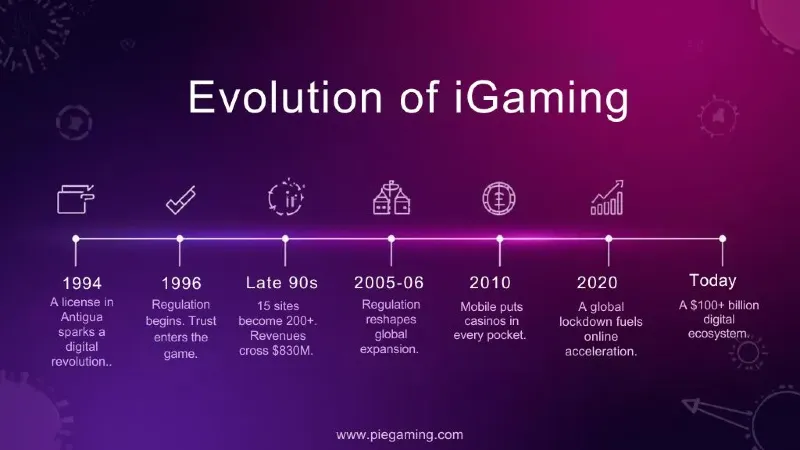
The landscape of global entertainment has undergone a massive transformation over the past two decades. Where people once relied on physical establishments—like brick-and-mortar casinos, local bookmakers, and betting shops—they now have the entire world of wagering available at their fingertips. The digital revolution of iGaming has fundamentally altered how enthusiasts interact with sports data, predict match outcomes, and engage with games of chance. Driven by rapid advancements in internet connectivity, mobile technology, artificial intelligence, and big data, the modern betting industry is an intricate web of algorithms, seamless user interfaces, and immersive multimedia experiences.
This comprehensive exploration delves into the dual pillars of modern iGaming: the rise of data-driven sports predictions and the rapid expansion of virtual casino floors. By understanding how these two sectors have evolved, converged, and innovated, we can better appreciate the complex ecosystem that currently dominates the digital entertainment market.
From Intuition to Analytics: The Sports Prediction Revolution
Historically, predicting the outcome of a sporting event was more of an art than a science. Punters relied heavily on intuition, basic win-loss records, local knowledge, and occasionally, the advice of columnists in daily newspapers. Wagering was largely an emotional endeavor, driven by team loyalty or regional biases. However, the digitization of sports data has flipped this paradigm entirely.
Today, sports prediction is a highly sophisticated field dominated by quantitative analysis, machine learning algorithms, and predictive modeling. Dedicated prediction platforms gather immense volumes of data points from thousands of matches across the globe. Everything from player fatigue levels and historical head-to-head records to weather conditions and referee tendencies is scrutinized.
These analytical platforms provide punters with detailed statistical breakdowns, enabling them to make highly informed decisions rather than relying on gut feelings. Advanced metrics, such as Expected Goals (xG) in soccer or Player Efficiency Rating (PER) in basketball, have become standard vocabulary for the modern sports bettor. By translating abstract on-field performances into concrete numerical values, predictive algorithms can calculate probabilities with a stunning degree of accuracy. This analytical approach minimizes risk and introduces a level of strategy that appeals to an entirely new demographic of fans who view sports wagering as a battle of intellect and statistical interpretation rather than mere luck.
The Expanding Universe of Online Casinos
Parallel to the evolution of sports betting is the explosive growth of the online casino industry. When digital casinos first emerged in the late 1990s, they were limited by slow internet speeds and rudimentary graphics. Early platforms offered highly pixelated versions of classic games like blackjack and roulette, operating on basic Random Number Generators (RNGs) that, while fair, lacked the immersive atmosphere of a real-world casino.
Fast forward to the present day, and the digital casino experience is virtually unrecognizable from its early iterations. High-definition graphics, thematic soundtracks, and intricate storylines have turned digital slot machines into highly engaging video games. Modern developers spend millions on production value, ensuring that each game offers a unique narrative and interactive bonus rounds that keep players engaged for longer periods.
Furthermore, the introduction of live dealer technology bridged the final gap between digital platforms and physical casinos. Through high-definition video streaming, players can now interact with human dealers in real-time, placing bets on physical roulette wheels or baccarat tables from the comfort of their living rooms. This social element has revitalized classic table games, attracting players who previously felt that digital RNG games lacked transparency and human connection. It is within this modern framework that platforms such as eq9 casino operate, providing players with robust libraries of both traditional and contemporary gaming options that are designed to replicate—and in many ways, enhance—the traditional gambling experience.
The Convergence of Sportsbooks and Casino Platforms
One of the most significant trends in the modern iGaming industry is the convergence of sports betting operations and online casinos. In the past, operators typically specialized in one or the other. A brand was either known as a premier sportsbook or a dedicated digital casino. Today, the lines have blurred entirely, creating a unified ecosystem where a single account provides access to every form of wagering imaginable.
This convergence is driven by the desire to maximize user retention and cross-sell services. Sports betting inherently involves periods of waiting. A bettor might place a wager on a soccer match on a Tuesday, but the game doesn't kick off until Saturday. To keep that user engaged within the ecosystem during the interim, operators seamlessly integrate casino gaming into the same platform. With a single click, a user can transition from analyzing Premier League odds to spinning the reels on a progressive jackpot slot.
This cross-pollination has proven incredibly successful. Operators frequently run hybrid promotions, such as offering free casino spins when a user places a specific accumulator bet on a weekend sports fixture, or granting sports free bets based on a player’s casino activity. This holistic approach ensures that players rarely need to leave a platform to find the entertainment they seek, establishing brand loyalty in an otherwise highly competitive and saturated market.
Technological Pillars: AI, Blockchain, and Mobile Optimization
The rapid maturation of the iGaming sector is underpinned by several key technological advancements that have redefined the user experience, enhanced security, and streamlined operations.
The Mobile-First Approach
Perhaps the most critical shift has been the transition to mobile gaming. With the ubiquity of smartphones, operators quickly realized that the future of wagering was portable. A vast majority of digital betting and casino gaming now occurs on mobile devices. Developers build platforms utilizing HTML5 technology to ensure that games run flawlessly on smaller screens without sacrificing graphic fidelity or processing speed. Designing a platform to be mobile-responsive is no longer a luxury; it is a fundamental requirement for survival in the industry.
Artificial Intelligence and Personalization
Artificial Intelligence (AI) plays an enormous role behind the scenes of modern gambling platforms. AI algorithms track user behavior, analyzing which sports a punter bets on, which casino games they prefer, and what time of day they are most active. This data is then used to curate a highly personalized dashboard. If a user frequently wagers on tennis and plays live blackjack, the platform's AI will prioritize tennis odds and blackjack tables on the user's homepage. This level of customization reduces friction, making it easier for players to find their preferred forms of entertainment instantly.
Blockchain and Cryptocurrency Integration
Security and transparency are paramount in an industry that handles billions of dollars in daily transactions. The integration of blockchain technology and cryptocurrency payments has solved many of the historical friction points associated with depositing and withdrawing funds. Cryptocurrencies like Bitcoin, Ethereum, and Litecoin offer lightning-fast transaction speeds, negligible fees, and a high degree of privacy. Furthermore, blockchain technology is being used to create "Provably Fair" casino games, allowing players to independently verify the randomness and fairness of every single digital roll of the dice or spin of the wheel.
The Importance of User Interface and Experience (UI/UX)
While backend technology is the engine of an iGaming platform, the user interface is the steering wheel. In a market where competitors offer nearly identical odds and the same catalogs of third-party casino games, the primary differentiator between a successful brand and a failing one is the user experience.
Players demand platforms that are intuitive, fast, and aesthetically pleasing. A cluttered interface that makes it difficult to find a specific match, or a casino lobby that lags during navigation, will instantly drive users to a competitor. Modern operators heavily invest in UI/UX research to streamline registration processes, simplify bet slip construction, and ensure that game lobbies are easily searchable. Brands must strike a delicate balance between offering a vast array of options and maintaining a clean, easily navigable digital environment. For instance, platforms like eq9 emphasize streamlined aesthetics, ensuring that whether a user is looking for a niche eSports market or a specific live dealer table, the journey from homepage to gameplay is completely frictionless.
Live Betting and In-Play Wagering
If big data revolutionized pre-match sports predictions, then the advent of high-speed data transmission birthed the phenomenon of live betting, also known as in-play wagering. Live betting allows users to place wagers on a sporting event while the action is unfolding in real-time.
This dynamic form of betting relies on incredibly complex algorithms that adjust odds on a second-by-second basis based on what is happening on the field. If a heavily favored soccer team goes down a goal in the first ten minutes, their odds of winning will immediately shift. Bettors can take advantage of these fluctuating odds, using their knowledge of the game's momentum to find value that didn't exist before the match started.
Live betting has also spawned "micro-betting," where users can wager on highly specific, short-term outcomes. In tennis, a bettor can wager on who will win the next individual point. In basketball, they can bet on whether the next possession will result in a two-pointer, a three-pointer, or a missed shot. This rapid-fire style of wagering demands intense concentration and significantly enhances the entertainment value of watching a live broadcast, transforming passive viewers into highly engaged, active participants.
Gamification and the Psychology of Engagement
To keep users coming back in an era of endless digital distraction, the iGaming industry has heavily borrowed concepts from the video game industry—a process known as gamification. Rather than simply offering a transactional relationship where a user bets money and either wins or loses, platforms are building comprehensive meta-games around the betting experience.
Players are now routinely enrolled in complex loyalty programs where they earn experience points (XP) for every wager placed. As they level up, they unlock avatars, profile badges, and tangible rewards like cashback offers or free bets. Tournaments and leaderboards are frequently implemented, pitting players against one another to see who can achieve the highest multiplier win on a specific slot machine over a weekend.
This psychological layering satisfies the human desire for achievement, status, and community. It transforms solitary betting into a competitive and social endeavor, drastically increasing player retention rates and fostering a sense of brand loyalty that pure financial transactions simply cannot buy.
The Future: Virtual Reality and Evolving Regulations
As we look toward the future, the integration of Virtual Reality (VR) and Augmented Reality (AR) stands poised to trigger the next massive paradigm shift in the industry. VR casinos are already in early developmental stages, promising an experience where players can put on a headset, walk through a fully rendered digital casino floor, sit down at a virtual table, and read the physical "tells" of other avatars in real-time. Similarly, AR could revolutionize sports betting by projecting real-time odds and player statistics directly onto a user's field of vision while they watch a game in a physical stadium.
However, alongside these technological leaps comes the ever-present shadow of regulation. As the industry grows more sophisticated, so too do the regulatory bodies tasked with overseeing it. Governments around the world are continuously updating frameworks to ensure fair play, prevent money laundering, and, most importantly, protect vulnerable populations from gambling addiction.
Responsible gaming protocols are becoming stricter and more technologically advanced. Modern platforms utilize the same AI algorithms used for personalization to detect problematic gambling behaviors—such as chasing losses or sudden, erratic increases in bet sizes. These systems can automatically intervene, offering self-exclusion tools, deposit limits, or forced cool-down periods. The sustainability of the iGaming industry relies heavily on operators embracing these responsible gaming measures, ensuring that the entertainment remains safe and enjoyable for the vast majority of consumers.
Conclusion
The intersection of sports predictions and virtual casinos represents a fascinating evolution of digital entertainment. What began as a rudimentary, fringe internet activity has blossomed into a multi-billion-dollar global industry built on the back of artificial intelligence, big data, and mobile technology. As platforms continue to converge, offering seamless transitions between predictive sports analysis and high-fidelity gaming, the consumer is the ultimate winner, benefiting from unprecedented levels of choice, convenience, and immersion. As long as the industry continues to prioritize technological innovation alongside stringent responsible gaming measures, the digital wagering revolution will undoubtedly remain a dominant force in the global entertainment landscape for decades to come.