

A football schedule is useful when it shows more than a list of teams and kickoff times. Readers also need the competition, event date, time zone and current status. These details help prevent a saved fixture from being confused with a postponed game or another match involving clubs with similar names. A careful reading routine turns the schedule into a practical starting point for watching and research, while leaving room for changes that occur after the first listing appears.
Identify the source and the event
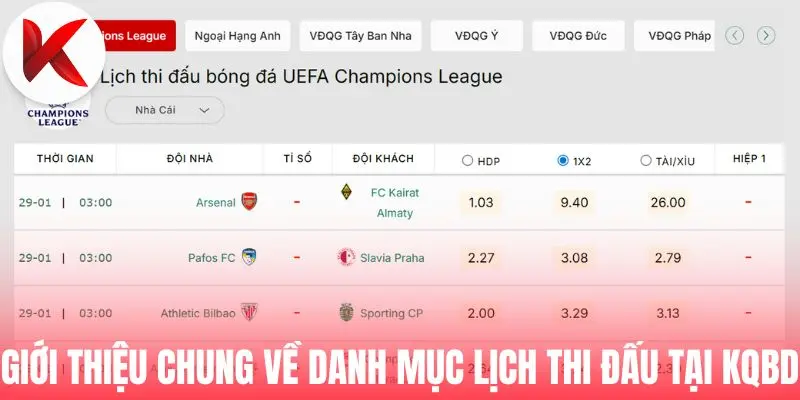
When using Kqbd as a starting point, check whether the page is a reference for scores, fixtures or another football topic. Then confirm the competition and the two teams. A familiar club name alone may not identify the correct event, since senior, reserve and youth teams can have related names. The date should be read alongside the competition before the fixture is added to a personal plan.
A reference page and the organisation or service responsible for an event can have different roles. The schedule may help organise information, but a short listing does not explain every change or market condition. If another page links to the fixture, check that it refers to the same teams and competition before carrying information across.
Read kickoff time and status together
The Lịch thi đấu section should be checked with its displayed time zone. A match listed late in the evening may fall on the next calendar day where the reader lives. Confirm the local timing before setting reminders or arranging a viewing session. A time without its zone can be misleading even when the fixture itself has been identified correctly.
Distinguish scheduled and updated information
Look for whether the event is upcoming, in progress, postponed or rescheduled. These labels describe different situations and should not be inferred from the position of a match in a daily list. If the status changes, revisit the current listing rather than relying on an earlier screenshot. The time of publication also matters when a schedule has been forwarded from another source.
Two sites may update at different moments. If they disagree, compare the date and update context before deciding which entry reflects the current schedule. A final check shortly before kickoff can catch a change that occurred after the original review, although another update may still follow.
A simple fixture note can record the competition, scheduled time, source and latest status on one line. Keeping those fields together is useful when several events appear on the same day. If you compare two schedules later, the note shows whether they referred to the same update moment instead of leaving you to reconstruct the context from memory. This small habit also makes it easier to spot a time zone difference before it affects a viewing plan.
Use the fixture to prepare match research

Once the event is clear, readers can gather context such as recent opponents, venue and announcements about the teams. Each detail should be read according to its scope. A run of wins against different opponents does not guarantee the next result, and a projected lineup is not the same as a confirmed team announcement.
Standings can add a broader view when points and matches played are considered together. Clubs may not have completed the same number of games. When positions are close, check the competition's stated ranking rules instead of assuming every tournament uses the same tiebreaking order. These data help form questions for further research rather than settle a prediction.
Keep research and any market conditions separate
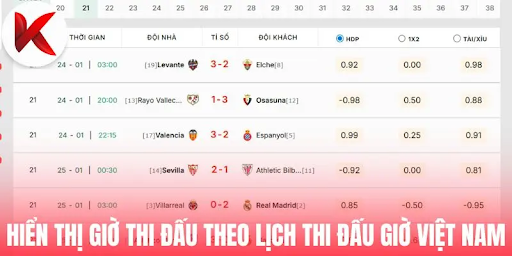
If schedule information informs a wagering decision, identify the actual market and its covered period separately. A fixture page does not explain how a provider handles an accepted selection when a match is delayed or interrupted. Check the relevant terms before confirmation, including which period counts and whether extra time is part of the market.
Review the teams, market, selected option and accepted price on the final screen. A price seen earlier may have changed before a choice is confirmed. Keep a transaction reference if a selection is submitted, since that record is more useful for follow up than an old overview of changing prices.
Real money participation should fit a budget and a session length chosen in advance. Keep essential costs outside that plan, avoid borrowing and stop when the limit is reached. Check age eligibility and the rules where you live. A schedule can support an organised day without requiring a wager on every match it lists.
Conclusion
Read a football fixture by confirming the source, teams, competition, time zone and current status. Then use the event to organise research while checking the scope of each statistic. If a market is involved, review its conditions independently and keep a record of the accepted choice. This approach reduces scheduling confusion while recognising that fixture information cannot guarantee what happens on the pitch.