

A live football score can change quickly, while different sources may show an event at slightly different times. Reading the clock, status and update context helps prevent a first notification from being mistaken for a final result.
Distinguish live updates from confirmed match information
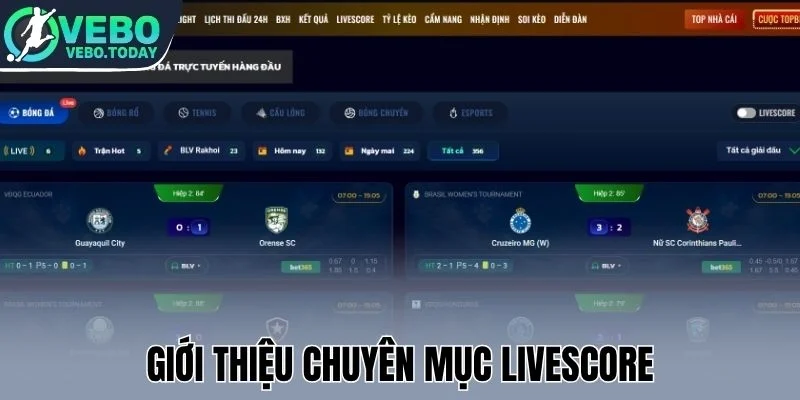
When following a match through Vebo live, check that the competition and fixture are correct before focusing on the score. The same numerical result can mean very different things early in a match, near its end or after play has finished.
A live score should be read with the match clock and event status, since the same score can describe an early phase, a late phase or a completed fixture. Different services may refresh at different moments, and a viewer should not treat simultaneous displays as proof that every source has received exactly the same event information.
Separate live match events from commentary and predictions, particularly when a page places a statistical indicator beside an opinion about which team currently has an advantage. An unchanged display can reflect a technical issue as well as a match situation, so the absence of updates needs investigation before any conclusion about play is drawn. For any wagering decision, review the provider's current market and accepted selection separately, recognising that a reference score alone cannot confirm availability, price or settlement conditions.
Use match context without turning it into a certainty
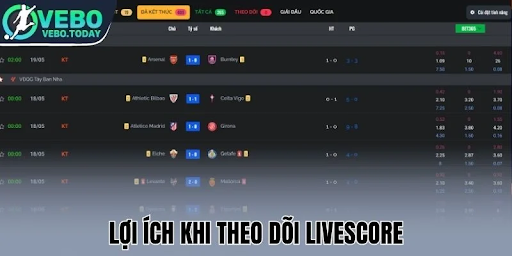
A Livescore display should be read with the current status and the timing of updates. If a notification changes later, review the confirmed information rather than relying on the first alert as an unquestionable record of what happened.
Recent results can help describe a team's current situation, but the opponents faced and the conditions of those matches matter when comparing two records that appear similar. Comparisons should account for venue and competition context, because a record drawn from several different settings may not explain the conditions of the fixture currently being considered. Published team information may change before kickoff, so distinguish a confirmed announcement from an expected lineup or an opinion that was posted before new information became available.
A busy schedule can provide useful background, although it does not prove that a team will rotate players or perform poorly in the next match simply because another fixture is close. Statistical comparisons need matching definitions and periods, otherwise apparently conflicting numbers may simply describe different samples rather than an error in one of the sources. The aim is to organise relevant information and recognise its limits, leaving room for unexpected events instead of turning a detailed research process into a promise of a particular result.
Check the period and settlement conditions
Details to check before the next step
Identify whether the selection covers a half, ordinary match time or another stated period, instead of assuming that every market attached to a fixture includes the whole event. If a competition can continue beyond ordinary time, verify how the selected market treats those stages rather than importing an assumption from another event or provider. Postponed, interrupted and abandoned events can require specific treatment under published terms, so a general score page is not enough to determine how a wager will be handled.
A combination includes several separate conditions, and its larger potential return does not reduce the need to understand each leg or the effect of a voided selection. A transaction reference and accepted selection provide stronger evidence for a later question than an image showing prices before a wager was submitted or after the market changed. If the description is incomplete, ask about the exact condition before committing money rather than trying to interpret an unexpected settlement from memory after the final result appears.
Keep decisions within a clear personal plan

If real money participation is being considered, set a spending limit beforehand using funds that can be lost without affecting essential expenses, debts or other important commitments. A clear stopping time helps prevent an apparently brief activity from expanding into a much longer session simply because another option remains available on the screen. Reaching either limit is a reason to stop, not a prompt to raise the stake in an attempt to recover a loss or continue a favourable feeling.
Past outcomes do not ensure that the next result will follow the same pattern, and changing a stake based on that expectation can increase financial exposure quickly. Access to a website does not by itself settle eligibility; confirm the relevant age conditions and local requirements before proceeding with any real money activity. A planned stopping point supports a deliberate choice about participation, while the option to pause remains valuable whenever the information or your personal circumstances are unclear.
Conclusion
Live scores are useful when their timing and status remain visible in the review. Separate confirmed events from commentary, recognise possible update differences and consult market rules independently. This approach improves understanding of an ongoing match without assuming that a fast notification guarantees a correct prediction or an accepted price.