

Large encounters are a familiar storytelling device in games. A scene may slow down, a distinctive character may appear, and the presentation may suggest that a significant moment has arrived. Dragon King themed fish games invite a closer look at that structure. A useful introduction explores how anticipation shapes the experience, while making clear that a dramatic arrival does not establish a reward condition. The actual role of any major encounter must come from the instructions for the relevant version.
Anticipation is part of the presentation
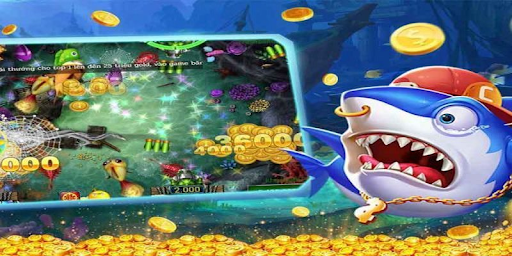
When exploring Bắn cá đổi thưởng, readers may encounter descriptions that emphasize large targets or memorable events. Those descriptions can communicate the tone of a game, but they should not be treated as a complete explanation of its mechanics. A name and an illustration establish a theme more readily than a rule.
Anticipation works by directing attention toward a moment. Music, movement, or a change in scenery can make that moment feel different from the surrounding activity. The resulting excitement is real as an experience, but it does not prove that the participant has gained an advantage.
An introduction can therefore discuss the appeal of a major encounter without claiming it appears on a fixed schedule, carries a specific value, or behaves in a certain way. Those details require verification. Keeping them separate allows the subject to remain interesting while respecting what the reader can actually know.
Identify the conditions behind the encounter
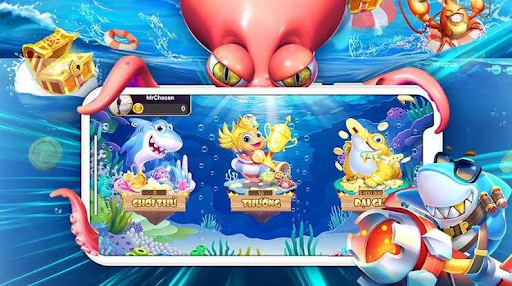
The title Bắn Cá Long Vương points toward a Dragon King theme, not a universal set of rules. Readers should find out whether the relevant documentation describes a particular event, a visual setting, or another role. Similar names across different products do not establish identical behavior.
If an encounter has participation conditions, those conditions need to be understood before any action. A requirement may concern the stage of play, the type of action, or another factor defined by the version. It should never be guessed from a description borrowed from a different title.
The same applies to the end of an event. An animation disappearing from the screen does not, on its own, explain how the event was resolved. Readers need to know which message or record supplies the official result and what the displayed units mean.
A promotional article becomes more helpful when it asks these questions openly. It can guide curiosity toward the relevant information instead of filling gaps with confident language. Claims about special rewards, automatic benefits, or guaranteed opportunities are inappropriate when the underlying conditions have not been checked.
Keep a memorable moment within the original plan
A major encounter can create a feeling that stopping would mean missing something important. That feeling deserves attention because it can change a person's behavior even when the rules remain the same. A planned session should not automatically expand whenever a dramatic scene appears.
One useful principle is to decide limits before opening the experience. Time and spending boundaries should reflect personal circumstances, not the scale of an animation or the enthusiasm of a promotional description. A visually important event does not make essential household money available for entertainment.
Readers can also evaluate whether the presentation remains understandable during a busy scene. Can the relevant information still be located? Are the conditions explained somewhere accessible? These questions assess clarity without presuming that any particular interface has already been tested.
For adults considering real money participation, local law and age requirements come first. No major encounter guarantees a favorable result, and no amount of excitement removes the possibility of loss. If a dramatic event encourages an unplanned increase in spending, stepping away is a reasonable response.
A practical reading exercise is to divide notes into three categories: what the theme suggests, what the instructions explicitly state, and what remains unanswered. This prevents a memorable character from carrying more meaning than the documentation supports. It also gives the reader a focused list of questions when comparing descriptions. A clear guide should make that comparison easier by naming the version and explaining the scope of each claim. Where those details are absent, uncertainty should remain visible rather than being replaced with an appealing story.
Conclusion
Dragon King themed fish games can offer a strong narrative focus through the idea of a major encounter. A thoughtful introduction explains that appeal while directing readers toward the conditions that give an event its actual meaning. The important distinction is between feeling that a moment is significant and knowing how it works. Keeping that distinction clear supports an engaging description without turning visual anticipation into a promise of financial benefit.
