


8xbet football odds in Nigeria show the prices available for different match outcomes, not what will happen on the pitch. A low price may suggest an outcome is considered more likely, but it cannot guarantee the result. Understanding this distinction helps Nigerian football fans recognise uncertainty, interpret potential returns and make informed decisions about whether to bet.
Why Odds Do Not Guarantee Results
Football matches can change direction within seconds. A team may dominate possession, create several chances and still lose. A red card, defensive mistake or late goal can overturn expectations.
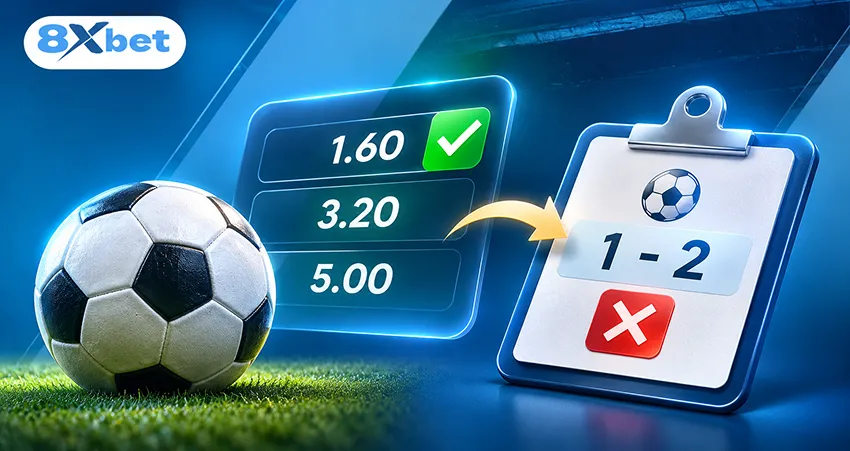
This uncertainty is an important part of understanding football odds. Bookmakers use available information to price different outcomes, but those prices cannot account perfectly for everything that happens during a match.
When viewing 8xbet, for example, you may notice that one team has much lower odds than its opponent. That price reflects the bookmaker's assessment and pricing approach. It does not mean the team has already secured the result.
Odds can also change before kick-off or during a match. Team news, injuries, market activity and events on the pitch may influence the prices offered.
These movements are not proof that a particular result will happen. They simply show that the available prices have changed.
Another important consideration is the bookmaker's margin. Betting prices generally include a margin that allows the operator to generate revenue across the markets it offers.
As a result, the probabilities suggested by all available outcomes in a market may add up to more than 100%. This is one reason odds should not be treated as a completely neutral measurement of a team's chances.
Understanding odds and risk means recognising both the uncertainty of football and the commercial pricing built into betting markets.
What Odds Can and Cannot Tell You
Decimal odds can be converted into an implied probability using a simple calculation:
-
Implied probability = 1 ÷ decimal odds × 100
For example, odds of 2.00 suggest an implied probability of 50%, while odds of 1.50 suggest approximately 66.7%.
These percentages describe what the prices imply before adjusting for the bookmaker's margin. They are not guarantees or necessarily accurate estimates of the true likelihood.
A team priced at 1.50 can still draw or lose. Similarly, a team offered at much higher odds can win. The distinction matters because a percentage may look more precise than it really is.
Football involves human decisions, changing conditions and events that cannot be predicted with certainty. Even extensive statistical analysis cannot eliminate those unknowns.
Odds can help explain how an outcome has been priced. They cannot tell you the final score, remove the possibility of an upset or establish that a wager is safe.
Potential Return Is Not Profit
One common misunderstanding involves the amount displayed as a potential return.
Consider a hypothetical ₦1,000 stake at decimal odds of 2.50. If the selection wins, the total return would be ₦2,500. However, that amount includes the original ₦1,000 stake. The profit would therefore be ₦1,500, before any applicable deductions. If the selection loses, the ₦1,000 stake is lost.
This difference becomes especially important when reviewing figures displayed on a betting slip. A larger potential return does not mean the money is guaranteed, nor does it represent the amount earned after accounting for the stake.
Potential returns are conditional amounts. They depend on the selected outcome occurring and the applicable settlement rules.
The same principle applies when several selections are combined. A displayed payout may appear substantial, but it remains dependent on the conditions of the wager being satisfied.
For Nigerian adults assessing football odds, separating the stake, potential return and potential profit provides a clearer picture of the financial exposure involved.
Keep Football Betting Within Your Limits
Understanding how odds work is only one part of responsible betting. The other is recognising how much money, time and attention betting can take.
Football is unpredictable, and losing a wager does not create an obligation to place another.
For adults who choose to participate, affordable limits provide a way to keep betting separate from essential financial responsibilities.
The decision not to bet is equally valid. Watching football, discussing fixtures and following your favourite club do not require placing money on a result.
Set Affordable Limits
A betting limit should reflect money you can genuinely afford to lose without affecting everyday responsibilities. Rent, food, transport, school fees, savings and other important expenses should take priority.
Before participating, consider the following boundaries:
-
Spending limits: Decide on a maximum amount you can afford to lose over a chosen period.
-
Time limits: Set boundaries around how long you spend checking odds or using betting platforms.
-
Financial separation: Keep money intended for essential expenses away from betting activity.
-
Regular reviews: Check whether your betting activity remains within the limits you originally established.
These limits should reflect your financial circumstances rather than the size of a possible payout.
Borrowing money to bet creates additional financial pressure because the debt remains payable regardless of the match result. Similarly, increasing spending after a loss can quickly turn one disappointing outcome into a larger financial problem.
Responsible betting also means accepting that some matches are better enjoyed without financial involvement. There is no requirement to participate simply because a fixture is popular, friends are discussing odds or a major competition is underway.
Recognising When to Stop
Betting can become difficult to manage when it starts affecting finances, relationships or everyday routines. Warning signs may include repeatedly spending more than intended, hiding betting activity, borrowing money to continue or feeling compelled to recover previous losses.
However, you may also notice that football results begin affecting your mood long after matches have ended. Another warning sign is spending increasing amounts of time checking prices, reviewing previous losses or thinking about the next wager.
These experiences deserve attention, particularly when betting begins interfering with work, sleep or personal responsibilities. If you recognise these patterns, consider taking a break and reviewing your relationship with betting.
You can also explore account controls such as deposit limits, cooling-off periods or self-exclusion, where the operator makes them available. Self-exclusion is designed to restrict access to betting services for a specified period or under the applicable programme rules.
Speaking with someone you trust may also help. Where gambling is causing distress or financial harm, a qualified counsellor, mental health professional or specialist gambling-support service can provide additional assistance.
Support is not limited to people experiencing severe problems. Seeking advice early can help prevent difficulties from becoming more serious.
For Nigerian adults, responsible betting means recognising that entertainment should never come at the expense of financial stability, wellbeing or important relationships.
Responsible-gambling note: Football betting is intended only for adults aged 18 and above, subject to applicable local laws. No odds guarantee a result. Never borrow to bet, never chase losses and remember that choosing not to participate is always an option.
Frequently Asked Questions
Are Low Football Odds a Guarantee That a Team Will Win?
No. Lower odds generally indicate that an outcome has been priced as more likely, but the result remains uncertain. Injuries, tactical changes, mistakes and unexpected match events can affect the final outcome.
Why Do Football Odds Change Before a Match?
Odds may change because of new team information, injuries, changes in expected line-ups, betting-market activity or adjustments made by the bookmaker.
Does a Higher Potential Return Mean More Profit?
Not necessarily. A potential return includes the original stake, while profit is the amount remaining after subtracting that stake and accounting for any applicable deductions.
What Does the Bookmaker's Margin Mean?
The bookmaker's margin is built into the prices offered across betting outcomes. It helps explain why the combined implied probabilities for all outcomes in a market can exceed 100%.
What Should I Do If Football Betting Becomes Difficult to Control?
Consider stopping, reviewing your finances and using available account restrictions. You can also speak with someone you trust or seek professional gambling-related support. If betting is affecting essential expenses or your wellbeing, getting help should take priority over further participation.
