

Fixture Information At 90phut: Finding Upcoming Matches
Finding an upcoming football match involves checking more than the next date shown on a page. The teams, competition and time zone need to match the event the reader intends to follow. A schedule can also contain provisional details or changes after an earlier visit. When researching fixture information at 90phut, use the fields actually supplied rather than assuming a particular filter or feature exists.
Define The Match Information Being Sought
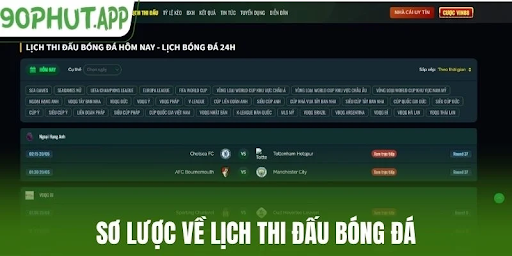
When reviewing material connected with 90phut live, begin with the team or competition and the period being searched. A clear question helps distinguish an upcoming event from a recent result. Check the full team identity, particularly where similar names or different squads are possible. Keep the season or stage in view when available.
If a page offers filters, read their scope before using the displayed rows as a complete schedule. A selected competition or date range may omit other events. An empty view should not immediately be interpreted as a cancellation or an absence of fixtures. Check the settings and the available information. If the desired feature is not supplied, recognise that limit instead of assuming that the page can answer the question through a control that has not been observed.
Separate Upcoming And Completed Listings
Match status should be checked alongside the date. A page may include finished fixtures, events in progress and future listings in the same area. Read the labels rather than relying on their position. A visible score can indicate a different type of record from a scheduled kickoff. Keeping status in the notes makes it easier to explain why a particular row belongs in an upcoming schedule and prevents an old event from being mistaken for a new fixture.
Read The Date And Time With Their Context
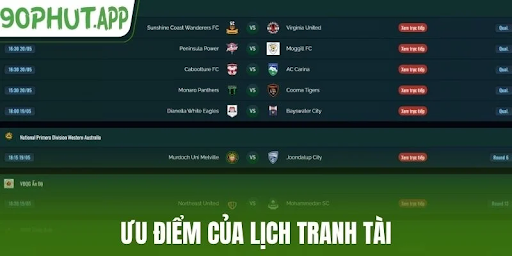
For information labelled Lịch thi đấu, establish the time zone before planning to follow the event. A clock value without a zone can be ambiguous. A match near midnight may have a different local date for another reader. Record the date and zone together, then make any conversion explicit. Do not assume that a website automatically uses the same local setting as the device or that another source presents the identical time format.
Check whether the schedule is confirmed or subject to change under the information supplied. A saved screenshot describes the page at a particular time, not a permanent guarantee. If an update appears, confirm that it refers to the same fixture and competition. Read any venue details separately rather than inferring them from the order of team names. Missing information should remain a note to verify, not be filled with a value from an earlier match or a familiar home location.
Compare Information Before Sharing It
When sources differ, review their event identity, time zone and update status first. A disagreement may come from a conversion or an older version of the listing. Do not choose the value that fits an existing plan without checking. If the difference remains unresolved, make that clear. A useful shared note provides enough context for another reader to identify the event and understand which details have been confirmed.
Maintain A Simple Record Of Upcoming Events
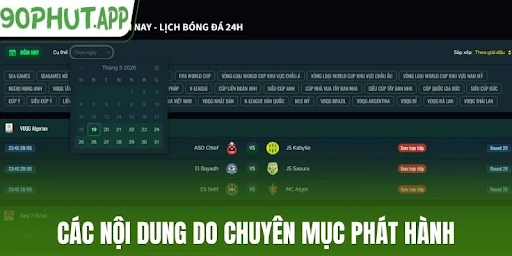
A practical entry can contain the date, teams, competition, verified time and current status. Use consistent fields across the selected period. Add the date when the information was checked so that later updates can be compared. Sorting the entries by the actual event date makes the next match easier to find. Avoid collecting unrelated statistics if the purpose is only scheduling. The record should answer the reader's question without hiding important details in a larger collection of numbers.
Review important fixtures again before the planned start, especially if they were saved well in advance. If reminders are used, check them after any change. The existence of a fixture listing does not establish that a particular source can provide authorised video. Viewing availability and access conditions need their own review. Do not bypass restrictions or install unfamiliar files merely because the event appears on a schedule. The sporting plan and the source of coverage are separate questions.
Protect account information while following links. An unexpected request for credentials or verification codes should be checked independently before proceeding. A familiar team name is not proof that a page is genuine. Use fixture data for organisation rather than a promise of certain results. Upcoming events remain subject to their current status, and the plan should be flexible where the source indicates uncertainty instead of treating an incomplete record as fixed.
Conclusion
Find upcoming fixtures by defining the event, checking status and reading dates with the correct time zone. Keep confirmed details separate from provisional or missing information and review updates before sharing a plan. Consistent notes make later changes easier to track. Viewing access should be verified independently. This method helps readers organise matches clearly without relying on an old image, an unexplained clock value or an assumed feature of the information source.