

In the history of world football, Johan Cruyff is one of the most influential figures both on the pitch and in the dugout. He was not only famous for his individual technique and intelligent understanding of the game but also played a major role in shaping the Dutch philosophy of Total Football. The legacy of this legendary figure continues to be discussed in numerous documentaries, programs, and Xoilac TV Trực tiếp Bóng đá content when fans explore the history of modern football.
Who Was Johan Cruyff?
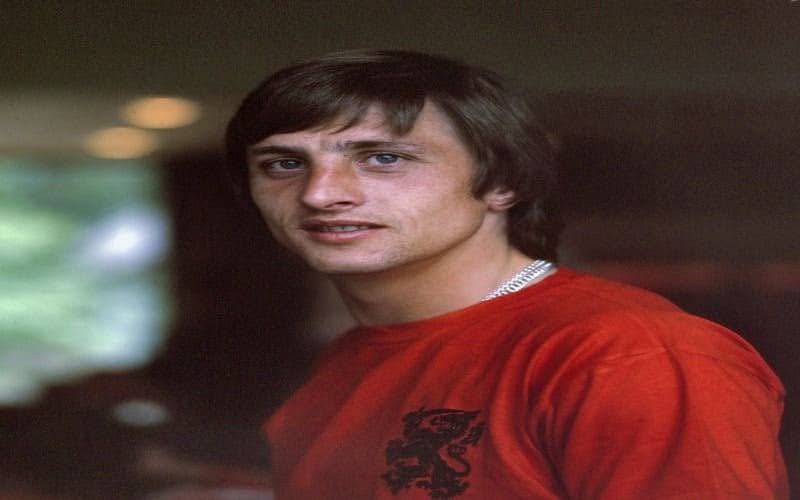
Johan Cruyff was born on April 25, 1947, in Amsterdam, the Netherlands. He developed through Ajax’s youth academy and quickly became one of the most prominent players in European football. With his exceptional ball control, off the ball movement, and ability to read the game, Cruyff became a central figure in Ajax’s highly organized style of play.
Johan Cruyff Was Born on April 25, 1947, in Amsterdam, the Netherlands
What made Johan Cruyff special was the way he understood football. Instead of relying solely on speed or physical strength, he emphasized intelligence, space, combination play, and collective initiative. These principles also formed the foundation that helped him become an icon of Total Football.
During his playing career, Cruyff enjoyed notable spells with Ajax, Barcelona, and several other clubs. He won numerous major trophies while establishing himself as a forward capable of creating chances, scoring goals, and influencing the overall flow of a match.
Johan Cruyff’s Outstanding Playing Career
Ajax was where Johan Cruyff first established his reputation. With the Dutch club, he won numerous domestic trophies and, most notably, three consecutive European Cups from 1971 to 1973.
Cruyff was far more than simply a goalscorer. He frequently dropped deeper to receive the ball, stretched defensive structures, and created space for his teammates. His fluid movement made it extremely difficult for opponents to determine his actual position on the pitch.
After his success with Ajax, Cruyff moved to Barcelona in 1973. In his first season, he helped Barcelona win the La Liga title. Cruyff quickly became an iconic figure at the Catalan club.
One of the most famous moments associated with him was the skill that became known as the “Cruyff Turn.” The move perfectly demonstrated his technical elegance, ability to deceive opponents, and distinctive football intelligence.
His performances remain popular historical material among fans searching for highlight bóng đá hôm nay on XoilacTV, especially those who want to revisit some of the most iconic skills of 20th century football.
One of His Most Famous Skills Became Known as the “Cruyff Turn”
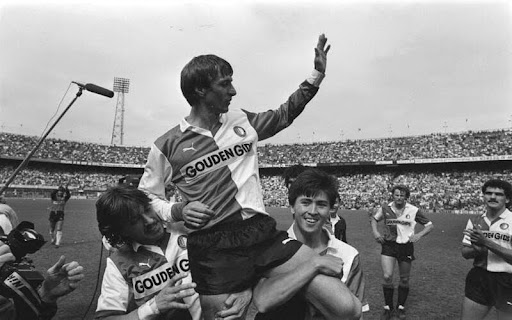
The Cruyff Turn eventually became one of the most recognizable individual skills in football. Its effectiveness came not from physical strength but from deception, timing, balance, and the ability to anticipate an opponent’s reaction.
Johan Cruyff and the Netherlands National Team

At international level, Johan Cruyff was the defining figure of the Netherlands generation that competed at the 1974 World Cup. The Dutch national team became famous for Total Football, a system in which players continuously exchanged positions and proactively pressed their opponents.
Cruyff played a crucial role within this tactical structure. He could appear in many different areas of the pitch, creating flexibility in the way the team operated. The Netherlands reached the 1974 World Cup final but were defeated by West Germany.
Despite failing to win the World Cup, the performances of the Netherlands that year had a major influence on world football. Johan Cruyff became an icon of a playing philosophy built around technique, intelligence, movement, and teamwork.
Johan Cruyff Was the Defining Figure of the Netherlands at the 1974 World Cup
His influence extended beyond goals and assists. Cruyff’s movement helped shape the positioning of teammates and opponents, making him one of the central figures in the tactical identity of the Dutch national team.
Johan Cruyff’s Football Philosophy
.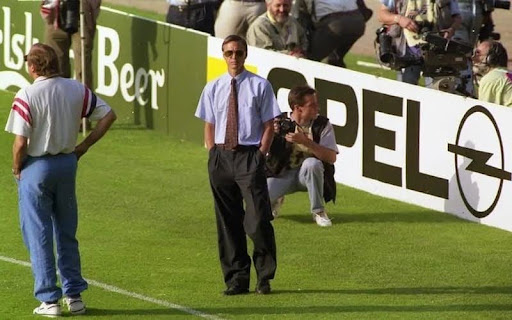
One characteristic that distinguished Johan Cruyff from many players of his era was his tactical intelligence. He believed football was not simply a physical contest but also a game of space and intelligence.
According to Cruyff’s philosophy, a team should control matches by controlling possession, creating space, and maintaining constant movement. When possession was lost, players needed to apply pressure quickly in an attempt to regain the ball.
He also emphasized attacking football and proactive play. A player did not necessarily have to remain in a fixed position if moving elsewhere could create an advantage for the team. This philosophy went on to influence multiple generations of coaches.
Today, when following Xoilac Z or other online football platforms, fans can still encounter discussions about Cruyff’s influence on modern football tactics.
Johan Cruyff as a Coach
After ending his playing career, Johan Cruyff moved into coaching. Ajax was one of the first clubs where he had the opportunity to demonstrate his tactical ideas from the dugout.
However, the most memorable period of Cruyff’s managerial career came at Barcelona. He managed the club from 1988 to 1996 and built a technically gifted team characterized by possession, intelligent movement, and a clearly defined football identity.
Barcelona under Cruyff won four consecutive La Liga titles from 1991 to 1994. The greatest achievement came in 1992 when Barcelona won the European Cup after defeating Sampdoria in the final.
Cruyff also helped establish the foundations for a football philosophy that Barcelona would develop further in later years. His ideas influenced multiple generations of players and coaches who emerged from the club’s football system.
Analyses of these tactical principles still appear in Xôi Lạc Z content, particularly when viewers want to understand the origins of the possession based systems widely used in modern football.
Barcelona Under Cruyff Won Four Consecutive La Liga Titles
Cruyff’s Barcelona became known for an ambitious and technically demanding style of football. His influence went beyond individual trophies because many of the concepts introduced during his time at the club continued to shape Barcelona’s identity long after his departure.
Notable Trophies and Achievements Throughout His Career
During his playing career, Cruyff won numerous trophies with Ajax and Barcelona. He lifted three European Cups with Ajax and won a La Liga title with Barcelona.
Individually, he won the European Ballon d’Or three times, in 1971, 1973, and 1974. These achievements demonstrated his exceptional status in European football during that period.
After moving into coaching, Cruyff continued to achieve success with Barcelona, most notably winning four consecutive La Liga titles and the European Cup in 1992.
For football fans interested in revisiting historic matches, goals, and memorable moments, Xôi Lạc TV is also one of the phrases commonly encountered when searching for football content online.
Cruyff Turn and His Technical Legacy
One of Cruyff’s most recognizable legacies is the change of direction skill named after him. While running or facing away from goal, the player appears to pass or move the ball in one direction before quickly dragging it behind the standing leg and changing direction.
The Cruyff Turn does not require exceptional physical strength, but it demands accuracy, awareness, balance, and precise timing. The move was subsequently adopted widely in professional football and became a fundamental technique taught to young players.
Cruyff’s classic moments are still frequently compiled in Xoi Lac TV videos, giving new generations of football fans an opportunity to observe the playing style of one of the game’s greatest legends.
Conclusion
Johan Cruyff passed away on March 24, 2016, but his legacy remains deeply embedded in football. From Ajax and the Netherlands national team to Barcelona, his ideas contributed to the development of a football philosophy that has had a lasting influence on the sport.
For fans interested in football history, exploring highlight bóng đá hôm nay or watching modern matches can also provide opportunities to recognize the continuation of many principles that Cruyff championed throughout his career.
Johan Cruyff is therefore remembered not only as an exceptional Dutch footballer but also as one of the most influential figures in the way modern football is played, coached, and developed.