

A foul inside the penalty area can change the rhythm of a match immediately after the referee’s decision. Understanding penalty betting at kèo nhà cái 88 helps viewers approach markets based on whether a penalty will be awarded, which team may receive one, or other related selections depending on the specific rules.
Unlike goal markets, penalties depend on relatively specific incidents, so historical data should be used cautiously. Attacking movement into the penalty area, defensive actions, and the referee can all provide additional context for analysis. However, no statistic can guarantee that an upcoming match will feature a penalty.
Penalty Betting at Kèo Nhà Cái 88 Requires Understanding the Settlement Rules First
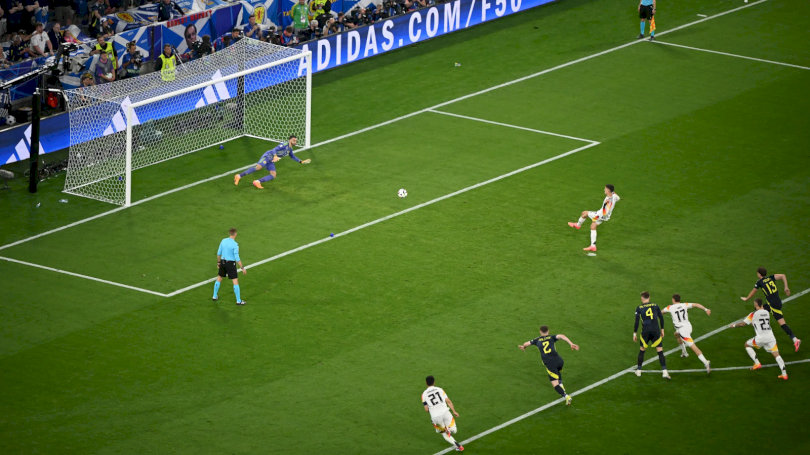
The first step in understanding penalty betting at Kèo Nhà Cái 88 is identifying the exact conditions of the displayed selection. Some markets focus on whether a penalty will occur during the match, while others may relate to a specific team.
Distinguish Match Penalty Markets
A market concerning whether a penalty will occur generally focuses on a penalty decision within the specified match period. Viewers should check whether the market counts a penalty once it is officially awarded or requires the kick to actually be taken. The specific terms are more important than making assumptions based on the abbreviated market name.
Read Team-Specific Selections
When understanding penalty betting at Kèo Nhà Cái 88, some selections may focus on which team is awarded a penalty rather than the total number of incidents in the match. Viewers need to identify the exact team and applicable scope before analyzing the market. A team’s historical record of receiving penalties provides reference data but does not prove that it will receive another one in the upcoming match.
Check the Applicable Time Period
A penalty awarded during the match and a post-match penalty shootout are two concepts that need to be distinguished. Depending on the market rules, kicks used to decide a winner after the match may not be treated in the same way as a penalty awarded for an infringement during play. Viewers should therefore read the settlement conditions rather than assuming every kick from the penalty spot belongs to the same category.
Penalty Betting at Kèo Nhà Cái 88 Is Influenced by Match Flow and the Referee
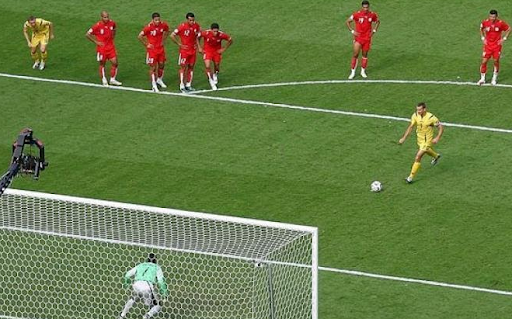
Penalties usually arise from specific incidents, so understanding penalty betting at Kèo Nhà Cái 88 requires attention to how both teams move the ball into dangerous areas. The frequency of penalty-box entries, defensive challenges, and the referee’s officiating approach are all worth considering.
Observe Penalty-Area Entries
A team that regularly moves the ball into the penalty area may create more situations in which the opposing defense has to react inside a sensitive zone. However, a high number of box entries does not guarantee that a foul leading to a penalty will occur. The quality of the attacking move, defensive response, and decisions made during each individual incident ultimately determine the outcome.
Check Defensive Actions and Challenges
When understanding penalty betting at Kèo Nhà Cái 88, viewers can examine how defenders handle one-on-one situations and challenges inside the penalty area. A team that committed several fouls previously is not guaranteed to repeat the same mistakes in its next match. Changes in personnel and defensive organization can reduce the relevance of data from an earlier period.
Review the Referee and Officiating Style
Referee statistics may show how many penalties have been awarded across a particular sample of matches. However, this figure should be considered alongside the number of games, competitions, and actual incidents rather than being used as a direct prediction. Video-assisted officiating can also affect how incidents are reviewed, although the final decision still depends on the circumstances of each situation.
Penalty Betting at Kèo Nhà Cái 88 Can Be Combined with Football Results Data
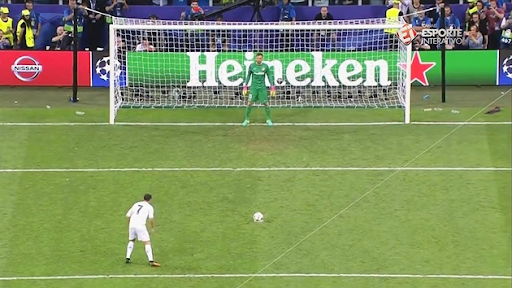
Kết quả bóng đá data can provide another reference point when understanding penalty betting at Kèo Nhà Cái 88. Viewers can review previous matches to identify when penalties occurred, which team received them, and how those incidents affected the scoreline. Selecting a relevant sample is important because a few matches containing multiple penalties can distort perceptions of their frequency.
Review Recent Matches
Instead of collecting data from too far in the past, viewers can focus on more recent matches involving similar lineups and tactical approaches. When reviewing scores, it is important to distinguish actual penalty goals from goals scored through other situations. A small sample remains highly variable, so it is more suitable for providing context than confirming a reliable trend.
Compare Penalty Incidents
Using football results, viewers can identify which matches included penalties and what the scoreline was when those incidents occurred. An early penalty can create a very different match scenario from one awarded near the final whistle. However, the scores from previous meetings do not determine whether a penalty will occur in the next encounter.
Maintain a Budget and Stopping Point
A sequence of several matches featuring penalties does not make a penalty in the next fixture certain. If real money is involved, players should set their budget in advance and avoid increasing the amount simply to recover from a recent unfavorable result. When the data sample is too small or contains conflicting signals, skipping the market can also be a reasonable way to limit risk.
Conclusion
Understanding penalty betting at Kèo Nhà Cái 88 should begin with correctly reading the settlement conditions, applicable time period, and distinction between penalties awarded during a match and post-match shootouts. Data on attacking patterns, defending, referees, and previous matches can provide additional analytical context. However, penalties ultimately depend on actual incidents on the pitch, so historical records cannot guarantee that a similar decision will occur in the next match.